There is a version of this post that lists the new spots in Journal Square, tells you what's on the menu, and calls it a food guide. You've read that version. This isn't it.
What's actually happening in Journal Square right now is more specific — and more deliberate — than a neighborhood "discovering its food scene." The restaurants opening here in 2025 aren't arriving because independent operators sensed an underserved block. They're being placed. The developers building the towers are selecting the tenants, curating the menus, and calling the result an amenity. The place you grab lunch was chosen by the same people who approved your floor plan.
That is not a criticism. It's a mechanism worth understanding, because it changes what these openings mean — and what they signal about where this neighborhood is going.
The Tower as Food Hall
When Cangiano's opened at 531 Pavonia Avenue inside Journal Squared last July, Jonathan Kushner, president of KRE Group, described it plainly: "We are transforming Journal Square not only into a thriving residential community, but a culinary destination as well." KRE and their partner National Real Estate Advisors said explicitly that the goal was a retail mix that "acts as an extended amenity for their residents."
That framing matters. An amenity is something the landlord provides. It is selected, vetted, and placed. Cangiano's — an Italian deli and market whose family roots trace to a pork store his grandmother opened in Bensonhurst in 1919 — wasn't discovered by the neighborhood. It was recruited to serve it.
The same logic produced BRBQ, which opened in August 2025 at the base of the 25-story Urby tower at 532 Summit Avenue. BRBQ is the third Jersey City concept from Jae Park and Brian Kim, the co-owners of DOMODOMO and ONDO. The wood-fired Korean-American restaurant was brought to Journal Square specifically because Urby founder David Barry said publicly that he saw it as a tool "to spark community engagement." Barry chose Park and Kim for their "impressive legacy in Jersey City" — operator credibility, not organic discovery.
And at 595 Pavonia Avenue, the third tower of the Journal Squared complex has a liquor license application in for The Café at Journal Squared, operated by Almost Home, a hospitality group with an existing Jersey City footprint. Same building, same developer, same strategy.
Three new food anchors in one calendar year, all in or adjacent to Journal Squared and Urby. None of them found this neighborhood on their own.
What the Neighborhood Picked for Itself
This is where the story gets more interesting, because Journal Square has its own food texture that predates the towers and wasn't assembled by anyone's leasing team.
Café Peanut at 586 Newark Avenue is the kind of place that earns loyalty through small-batch house-roasted coffee and a rose or lavender latte that regular customers treat as a fixed point in their week. It wasn't placed there by a developer. It grew there.
Monteleone's Bakery has been in the neighborhood for 60 years. That is not a stat that needs a baseline — 60 years is the baseline. It has watched every wave of development come through and stayed.
Rasoi, the Northern Indian spot with a lunch buffet, is a fixture for residents who have been in the neighborhood long enough to have opinions about which dishes hold up on weekdays versus weekends.
These places exist in a different register from the developer-curated options. They weren't selected to anchor a leasing pitch. They stayed because residents kept returning.
The JSQ Farmer's Market, which runs outside the PATH station every Wednesday and Sunday from early spring through fall, draws vendors from farms including Ort Farms and Alstede Farms alongside bakers, pickle makers, and specialty food producers. It has been running for more than 17 years. No developer organized it.
The Rhythm These Two Layers Create
On a weekend morning, Journal Square now offers a choice that most neighborhoods in Hudson County don't: walk out to the farmer's market for produce from a farm you can name, or walk into a developer-curated deli that stocks specialty Italian cheeses and prepared foods from a multigenerational family operator.
Those are not the same experience. One is embedded in the neighborhood's own history. The other is professionally managed retail hospitality. Both are good. The friction between them is what makes the current moment in Journal Square genuinely different from what was here five years ago.
Lincoln Park, a few minutes west, covers more than 270 acres with tennis courts, a track, a dog run, a playground, and a farmer's market that operates June through October. For residents who want green space that wasn't engineered by a tower developer, this is the answer. It is large enough that you can find a quiet corner even when other sections are crowded.
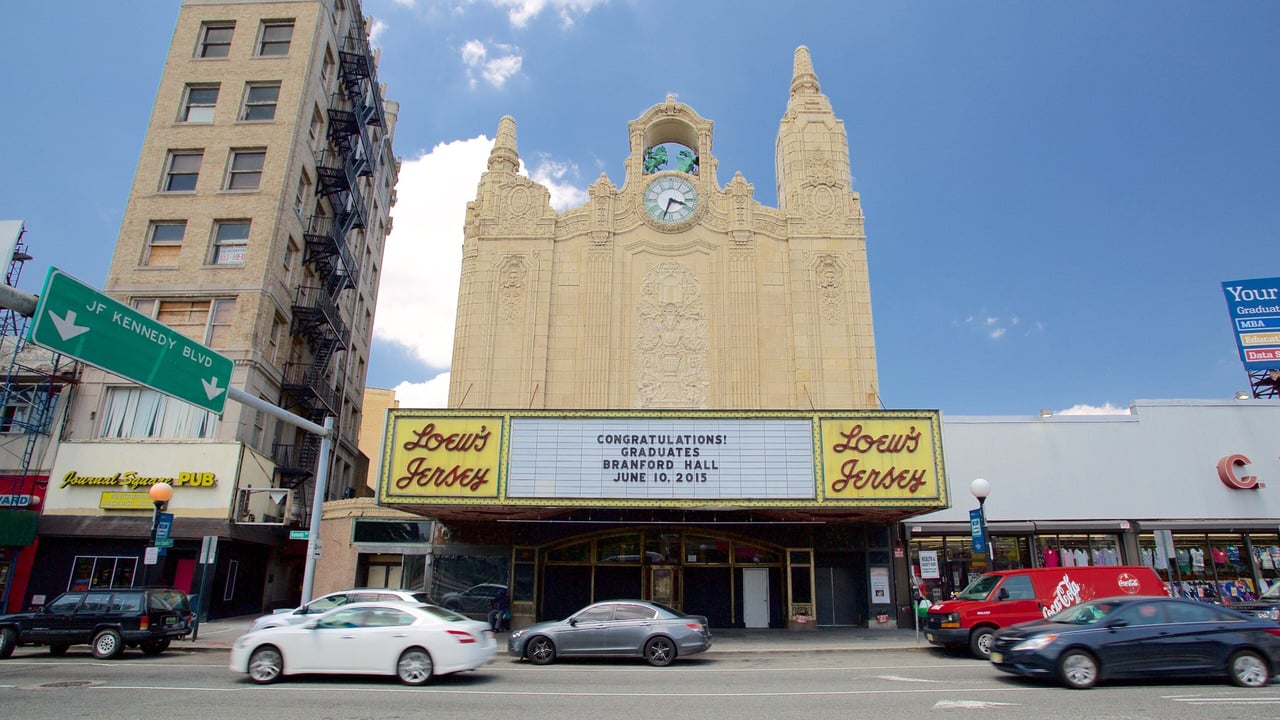
Loew's Jersey Theatre in Journal Square hosts the Golden Door Film Festival and regular screenings in a building that has been running films for close to a century. The architecture alone is worth the walk. It is the kind of institution that makes a neighborhood legible — a fixed point that tells you something about who was here before the current cycle of construction.
What This Tells You About the Neighborhood's Trajectory
Developer-driven food curation is not a sign that a neighborhood has arrived. It's a sign that someone has made a calculated bet that it will. Developers don't spend money recruiting credentialed operators to anchor their lobbies unless they believe the residential demand will be there to sustain them. Journal Squared's third tower is currently completing construction at 595 Pavonia Avenue. The leasing pipeline is being built to match the residential pipeline.
The independent spots — Café Peanut, Monteleone's, the farmer's market vendors — are a different kind of signal. They are evidence of a neighborhood that was already functional before anyone decided to invest at scale. That combination — organic texture plus developer confidence — is rarer than either one alone.
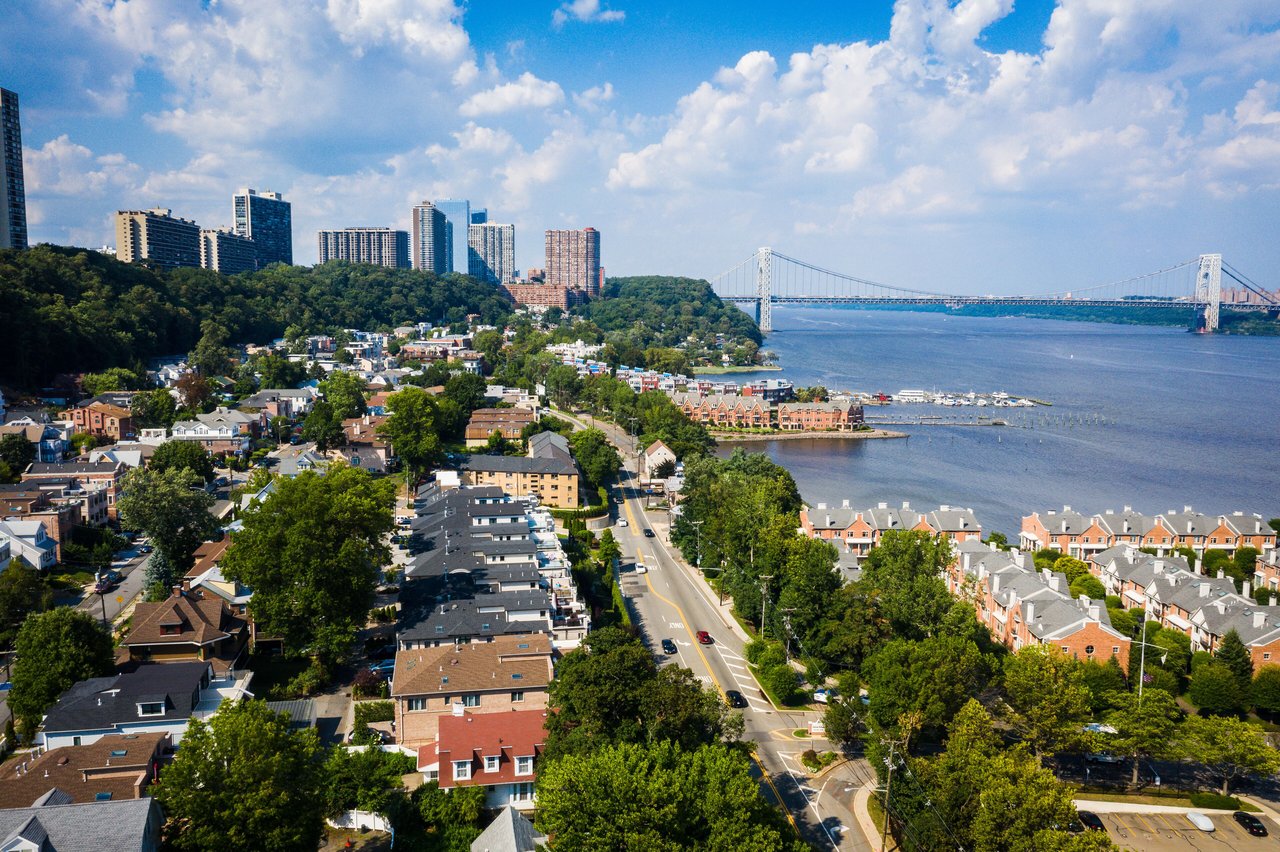
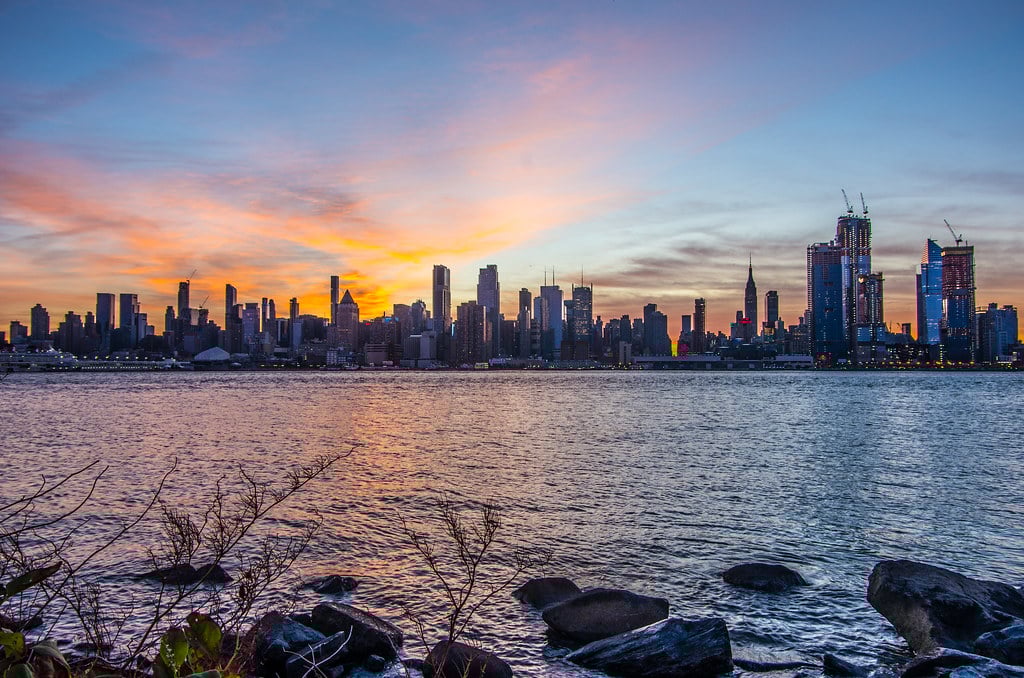
Journal Square's PATH station puts Midtown Manhattan roughly 20 minutes away. The food options that have opened within walking distance of that station in the last 12 months range from a 100-year-old Italian deli family's third Jersey City outpost to a wood-fired Korean-American all-day restaurant from some of the most recognized names in the local dining scene. That didn't happen randomly. But the neighborhood that made it possible has been here for decades.
If you're thinking about what this neighborhood looks like as a long-term hold — whether you own here now or are weighing a move — the calculus isn't just about the new restaurants. It's about what kind of neighborhood was here before the towers decided to show up. The answer, in Journal Square, is one with a 60-year bakery, a 17-year farmer's market, and a century-old theater. The developers read that correctly. You can too.
Story Residential tracks how neighborhoods like Journal Square evolve at the transaction level — what buyers are actually paying, what's moving, and what the development pipeline means for owners on either side of a deal. Let's write your story together.