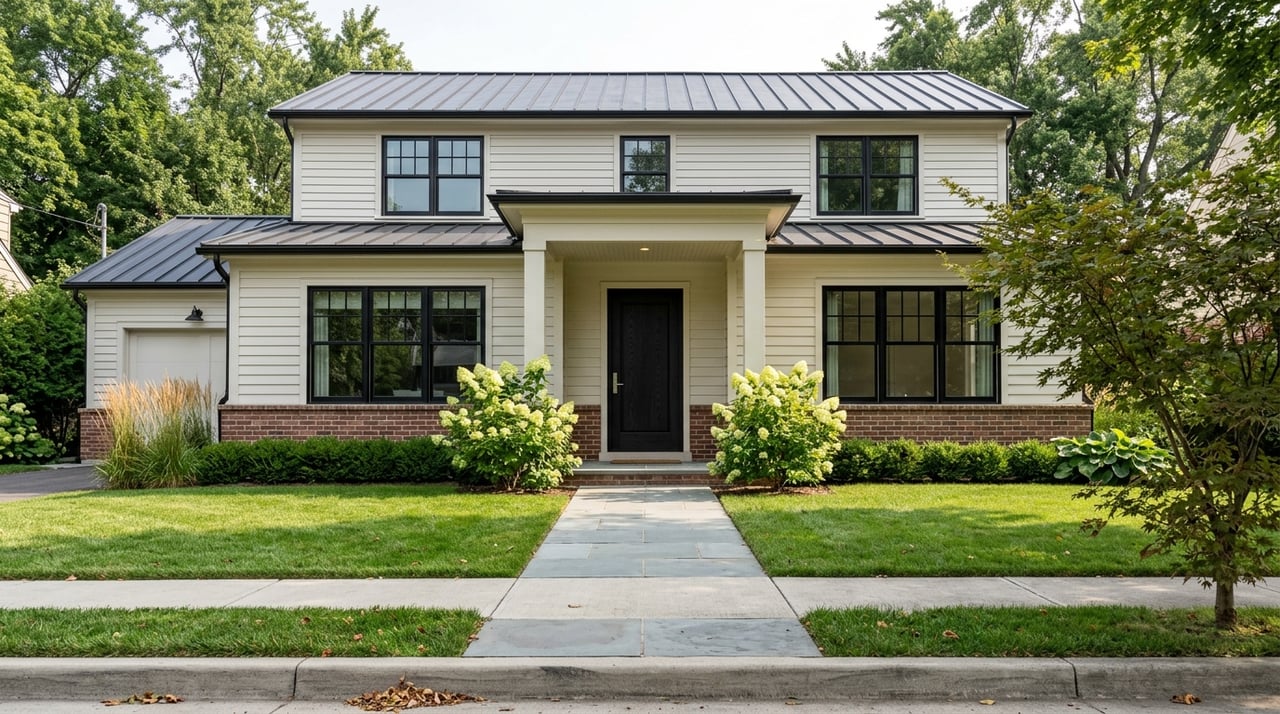
If you are looking at a Bayonne two-family, three-family, or four-family and thinking, "Can this actually work like an investment?" you are asking the right question. Small multifamily can be a smart path to homeownership or income growth, but only if you buy with clear numbers, clean due diligence, and a realistic plan. In this guide, you’ll learn how to evaluate a Bayonne small multifamily the way an investor would, without losing sight of how you want to live day to day. Let’s dive in.
Start With the Bayonne Numbers
Bayonne’s market does not boil down to one neat headline price. Recent data snapshots show an average Bayonne home value of $582,878 from Zillow, while Redfin reports a recent median sale price of $700,000 and shows 38 active multifamily listings with a median list price of $849,000 and a typical 42-day market time.
For rent planning, the same pattern shows up. Zillow’s Bayonne rent tracker shows an average rent of $2,100, including about $1,795 for a one-bedroom and $2,000 for a two-bedroom, while Realtor.com reports a median rent of about $2,300. The takeaway is simple: citywide averages are helpful for context, but your decision should rest on the actual unit mix, condition, layout, and rent comps for the specific property you want to buy.
Think Like an Investor First
When you buy small multifamily in Bayonne, the smartest move is to treat it like a business decision before you treat it like a dream property. That does not mean stripping out emotion completely. It means making sure the numbers, legal setup, and future work all support your plan.
A practical framework starts with three questions:
- How many legal units does the property have?
- What rent can each unit realistically achieve?
- What monthly expenses are unavoidable?
If you cannot answer those three clearly, you are not underwriting yet. You are still guessing.
Verify the Legal Unit Count
One of the most important Bayonne checks is whether the property’s recorded unit count matches how it is actually set up. A finished basement, attic apartment, or altered layout may look useful on a showing, but what matters is whether the city records support the use.
As of October 1, 2025, Bayonne’s Building Department replaced continuing certificates of occupancy with resale certificates for one-family homes, two-family homes, multi-family dwellings, and commercial buildings. The city also notes that if the recorded unit count is wrong, the Tax Assessor may correct the record using an existing certificate, or the Building Department may inspect the property to reconcile the discrepancy.
This is a major due diligence item because your financing, insurance, renovation plan, and rent assumptions all depend on legal use. If the paperwork and the physical layout do not match, the deal can become more expensive and more complicated very quickly.
Underwrite Rent Conservatively
Many buyers make the same mistake with small multifamily. They underwrite based on the best-case rent number they saw online, then forget vacancy, turnover, and real operating costs.
A better approach is to model rents conservatively. Bayonne rent data gives you a range, but you still need to compare the subject property against similar local units by size, layout, finish level, and condition.
If you are owner-occupying, rental income may help you qualify. Fannie Mae states that for a 2- to 4-unit principal residence or investment property, expected gross monthly rental income is entered on the loan application, and if only gross rent is provided, Desktop Underwriter uses 75% of gross rent for debt-to-income purposes.
That 75% treatment is a useful reality check even outside the loan process. It reminds you not to count every advertised rent dollar as fully available cash flow.
Build Expenses the Right Way
In Bayonne, property taxes deserve special attention. The New Jersey Treasury lists Bayonne City’s 2025 general tax rate at 2.880, which makes taxes one of the biggest line items in your monthly ownership cost.
Beyond taxes, your underwriting should include the costs that show up whether you want them to or not. Bayonne’s rent-control ordinance provides a useful operating-expense framework by identifying categories such as taxes, insurance, utilities, janitorial work, painting and decorating, and routine repairs.
Even if the subject property is exempt from rent control, those categories are still a good budgeting guide. In practice, you should plan for:
- Property taxes
- Insurance
- Utilities, if not separately paid
- Routine maintenance and repairs
- Vacancy and turnover
- Cleaning or common-area upkeep
- Capital reserves for big-ticket items
That last point matters. Roofs, boilers, HVAC systems, plumbing, and electrical work are not small surprises. They are known future costs that should be part of your model from day one.
Know the Rent Control Exemption
This is one area where Bayonne buyers often get useful clarity. Bayonne’s current rent-control chapter exempts dwellings containing four or fewer rental units. It also exempts newly constructed dwellings first approved for a certificate of occupancy after November 1, 2011.
In plain English, most duplexes, triplexes, and four-families in Bayonne are generally not rent-controlled under the city’s current chapter. That said, you should still confirm the property’s history, any subsidy status, and any prior exemption or decontrol facts with your attorney before you close.
The practical value here is that you can usually evaluate a 2- to 4-unit property based on current market leasing assumptions rather than a rent-controlled framework. You still need to be precise, but at least you are starting from a clearer rule set.
Understand Your Financing Options
If you plan to live in one of the units, you may have more financing flexibility than you think. HUD says FHA-insured financing can be used for one- to four-unit dwellings that will be the borrower’s principal residence, and HUD’s 203(k) program can finance both purchase and rehabilitation of one- to four-unit structures when occupancy requirements are met.
Freddie Mac also identifies 2- to 4-unit owner-occupied primary residences as eligible properties. For many buyers, that means house hacking in Bayonne may be more realistic than expected, especially if you are open to a property that needs thoughtful updating.
You should also plan for reserves. Fannie Mae says six months of reserves are required for a two- to four-unit principal residence transaction, and reserve requirements can increase if you already own other financed properties.
Check Zoning Before You Plan Improvements
A Bayonne multifamily can look like a value-add opportunity on paper, but the city process still matters. Bayonne’s Planning and Zoning Department says the city is divided into 19 zoning districts, and the zoning office is the first stop for permits or alterations.
The city also states that exterior changes such as additions, fences, pools, decks, sheds, garages, driveways, and carports require zoning review before a permit is issued. If your planned work does not fit the code, the Zoning Board of Adjustment hears variances, while the Planning Board reviews site plans and certain other approvals.
This is where disciplined buyers separate themselves from hopeful buyers. Before you budget a new rear deck, expanded driveway, exterior stair, or layout change, confirm what review or approval is needed.
Sequence Renovations Like a Pro
The order of operations matters more than many buyers realize. In Bayonne, the smartest sequence is to first confirm legal use and permit needs, then address safety and building systems, then complete cosmetic updates, and only after that model rent upside.
That order protects your budget and your timeline. It also aligns with how the city handles zoning review, permit issuance, and inspections through the Building Department under New Jersey’s construction code.
Bayonne’s ordinance also offers a helpful distinction between routine work and true capital work. Major capital improvements include items like roofs, boilers, HVAC systems, plumbing, electrical wiring, security systems, and common laundry areas, while individual unit improvements include appliances, fixtures, and cabinetry.
For an investment-minded buyer, that distinction is useful because it separates ordinary turnover spending from real value-add investment. Fresh paint may help leasing, but a new boiler or updated electrical system can change the risk profile of the entire property.
Questions to Ask Before Closing
When you are under contract on a Bayonne small multifamily, the goal is not just to get to the closing table. The goal is to get there with fewer surprises.
Here are the questions worth asking before contingencies come off:
- Does the resale certificate match the actual number of units?
- Are there any open permits or code violations?
- Is the current use conforming or legally nonconforming?
- Are utilities separately metered?
- Would planned exterior changes trigger zoning review?
- Are there unresolved variance conditions tied to the property?
These are not minor details. They can affect financing, insurance, renovation costs, and future rent potential.
A Smarter Bayonne Buying Strategy
Buying small multifamily in Bayonne like an investor means balancing ambition with discipline. You are not just buying doors and square footage. You are buying a legal setup, a tax burden, a renovation path, and a cash-flow story that needs to make sense.
That is why the best acquisitions usually come from a clear process: verify the unit count, underwrite rents conservatively, budget taxes and reserves honestly, and confirm city requirements before you assume upside. When you do that well, a Bayonne duplex, triplex, or four-family can become more than a purchase. It can become a strong long-term move.
If you want help evaluating a Bayonne small multifamily with an investment-minded lens, Story Residential brings Hudson County market knowledge, renovation perspective, and practical deal guidance to the process.
FAQs
What should you check first on a Bayonne multifamily property?
- The first check should be the legal unit count and whether city records match the way the property is currently configured.
Can Bayonne multifamily rental income help you qualify for a loan?
- Yes. For eligible 2- to 4-unit transactions, Fannie Mae states that rental income from non-owner-occupied units can be used, and if only gross rent is provided, 75% of gross rent is used for debt-to-income calculations.
Are Bayonne two- to four-family properties rent controlled?
- Generally no. Bayonne’s current rent-control chapter exempts dwellings with four or fewer rental units.
What expenses matter most when underwriting Bayonne multifamily?
- Property taxes, insurance, utilities, maintenance, vacancy, turnover costs, and capital reserves are all important, with taxes being especially significant in Bayonne.
Do Bayonne exterior improvements need zoning review?
- Yes, many do. The city says additions, fences, pools, decks, sheds, garages, driveways, and carports require zoning review before a permit is issued.
Can you use a Bayonne property as a short-term rental later?
- Only if the property owner obtains a Bayonne short-term rental license and satisfies the city’s inspection and zoning compliance requirements.