Looking for a place that makes your commute easier without giving up energy, character, or creative spark? Union City offers a compact, connected lifestyle that can feel surprisingly dynamic for such a small footprint. If you want skyline views, practical transit access, active commercial streets, and everyday urban convenience, this neighborhood is worth a closer look. Let’s dive in.
Why Union City Works
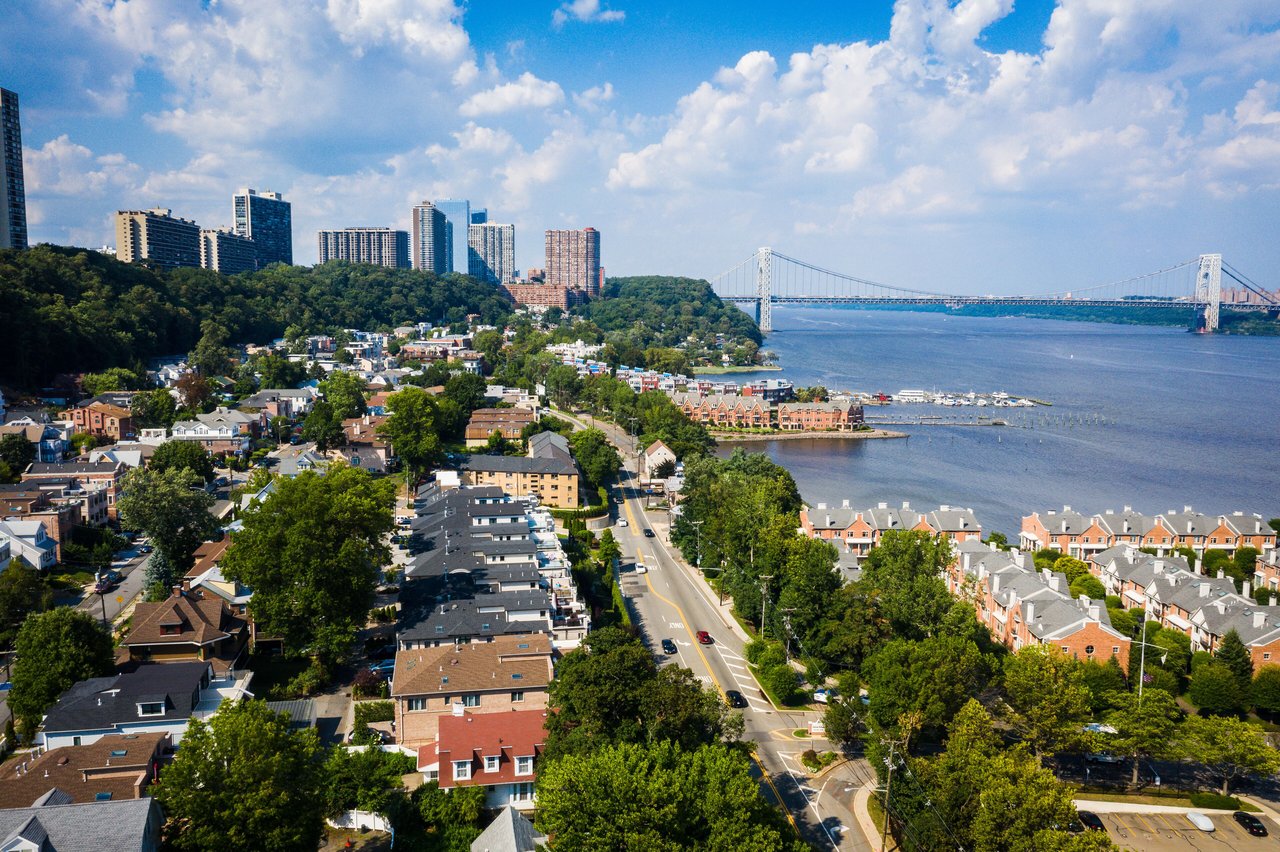
Union City sits on the Hudson Palisades, just north of Hoboken and near the western end of the Lincoln Tunnel, which helps explain why it feels so connected to the broader region. Its elevated position also gives parts of the city a more visual, open feel than you might expect, with Hudson River and New York City views from places like Firefighters Memorial Park and Washington Park, as noted by Encyclopaedia Britannica and the city’s own materials.
That mix of access and atmosphere is a big part of the appeal for creative commuters. You can build a routine around movement, convenience, and small moments of inspiration, whether that means commuting into New York, working hybrid, or staying local for part of your week.
Commute Options Matter Here
Union City’s location is one of its strongest practical advantages. According to the city transportation page, the area is accessible by NJ Transit buses, other bus service and commuter vans, the Lincoln Tunnel, and nearby ferry service.
The numbers support that transit-friendly story. The city’s housing plan reports that 35.4% of commuters use public transportation, 32.1% drive alone, and 11.4% walk, with a mean travel time to work of 32.9 minutes. For many buyers and renters, that points to a lifestyle where you are not relying on a car for every single trip.
Transit Plus Walking
If your week includes office days, coffee runs, errands, and evening plans, Union City can support a more flexible routine. Its density means many daily needs can be woven into a transit-plus-walking rhythm instead of a suburb-style drive-everywhere pattern.
That matters if you value efficiency. It can also make the neighborhood more appealing if you want your home base to feel active and connected, even when your schedule changes from day to day.
Bike Lanes Add Flexibility
Union City has also been expanding bike infrastructure. The city reported bike lanes on Palisade Avenue from 2nd Street to 30th Street, with additional lanes planned for New York Avenue, Bergenline Avenue, Central Avenue, and West Street, according to this bike lane announcement.
For creative commuters, that adds another useful layer. It supports short trips, quick errands, and a more adaptable local routine, especially if you split your time between home, transit, and nearby commercial corridors.
The Urban Feel Is Real
Union City is dense, compact, and busy in a way that feels lived-in. The U.S. Census Bureau QuickFacts estimates 66,918 residents in 2024 across just 1.29 square miles of land, following a 2020 density of 53,293.7 people per square mile.
That scale shapes your day-to-day experience. Instead of wide spacing and long drives, you get tighter blocks, more street activity, and a neighborhood where movement is visible and constant.
Commercial Corridors Keep It Moving
The city identifies Bergenline Avenue and Summit Avenue as its main commercial districts, with shops that stay active seven days a week, according to the business and urban enterprise zone page. The same source notes a restaurant mix that includes Cuban-Italian, Ecuadorian, Turkish, Peruvian, and diner fare.
For you, that means daily convenience more than curated hype. You can picture a neighborhood where grabbing lunch, picking up basics, or meeting a friend after work feels simple and woven into the street life.
Parks Balance The Density
One of the best surprises in Union City is how much park access is packed into such a small area. The parks master plan says the Community and Recreation Services Department manages more than 30 parks, along with playgrounds, sports fields, courts, picnic areas, a dog park, walking paths, and other green spaces.
That matters because density works better when you have places to reset. Parks give you room to walk, recharge, and break up the pace of a busy day without leaving the city.
Views Create Everyday Lift
Union City’s elevated setting gives several public spaces a visual edge. The city specifically highlights Firefighters Memorial Park and Washington Park for their Hudson River and New York City skyline views in this mayoral letter.
For people drawn to visual inspiration, those details matter. A neighborhood feels different when your walk can include a skyline view, not just another block.
Small Parks, Big Usefulness
The city also points to spaces such as Celia Cruz Park, Juan Pablo Duarte Park, War Memorial Plaza, Liberty Plaza, and Ellsworth Park through its parks planning materials. These are the kinds of places that support everyday life, whether you want a quick break outdoors, a place to meet up, or a change of scenery between tasks.
In a compact neighborhood, that kind of access can make your routine feel easier and more balanced.
Arts Give Union City Texture
If you are looking for a neighborhood with more personality than a simple commute story, Union City has a strong arts presence. On the city history and about page, Union City notes that it has two public libraries, a Poet Laureate, the 960-seat Union City Performing Arts Center, the historic Park Theatre, the Grace Theatre Workshop, and recurring summer programming with drama, comedy, poetry, and concerts.
The city also continues to host the annual Theatre Festival in the Park at War Memorial Plaza. For creative residents, that adds texture to daily life and gives the neighborhood more cultural weight than its size might suggest.
A Good Fit For Hybrid Life
This matters even more if you work hybrid or remote part of the week. When you spend more time near home, your neighborhood needs to do more than simply get you to work.
Union City’s mix of parks, performance spaces, public programming, and active commercial streets can make your off-hours feel fuller. It gives you more ways to shift gears without needing a major plan.
Housing Expectations In Union City
If you are considering a move here, it helps to understand the housing mix before you start your search. Union City is a renter-heavy market, with QuickFacts showing an owner-occupied housing unit rate of 19.1%.
The city’s 2025 housing plan reports 20,511 renter-occupied units compared with 5,271 owner-occupied units, with 94% of housing units occupied and 6% vacant. In practical terms, that means renting is the dominant experience here, even though ownership is part of the picture.
Expect Multi-Unit Housing
The housing stock leans heavily toward apartments and other multi-unit living. The 2025 housing plan says 76.1% of structures have three units or more, 23.5% have 20 units or more, and only 4.7% are detached single-family homes.
That framing is important if you are relocating from somewhere with a more suburban housing pattern. In Union City, the lifestyle is much more apartment- and condo-oriented than detached-home oriented.
Older Buildings Are Part Of The Story
The same housing plan says the median year structure built is 1958, and about one-third of housing was built before 1939. Older housing stock can shape everything from layout to building style to maintenance expectations.
That does not make the market less appealing. It simply means your search should be grounded in the reality of an older, denser urban housing environment.
Price Baselines Help Set Expectations
The latest Census QuickFacts puts median gross rent at $1,537, median value of owner-occupied housing units at $471,600, and median monthly owner costs with a mortgage at $3,088. These are broad ACS medians, not current listing prices, but they help frame the cost conversation.
If you are weighing rent versus buy, those numbers can help you start with realistic expectations. They also reinforce why many people experience Union City first as renters, then evaluate ownership based on long-term goals and budget.
Who Union City May Suit Best
Union City can be a strong fit if you want a neighborhood that supports movement, flexibility, and urban convenience. It may especially appeal to people who value transit access, active streets, skyline views, and a daily routine built around walking, buses, and short local trips.
It can also work well if you are comfortable with multi-unit housing and want to stay near Hoboken, Jersey City, and Manhattan-facing commute routes. If your priorities lean toward detached homes, lower density, and more private outdoor space, this may feel like a different kind of lifestyle than what you want.
How To Approach A Move Here
The key is to match the neighborhood to your actual routine. Think about how often you commute, how much you value public transit, what type of housing setup works for you, and how important parks, views, and street-level convenience are to your week.
If you are exploring Union City as a renter, buyer, or investor-minded move, having local guidance matters. The right strategy starts with clear expectations around building type, block-by-block feel, commute patterns, and long-term value. If you want help making sense of where Union City fits within your Hudson County search, Story Residential can help you evaluate your options with a practical, neighborhood-specific lens.
FAQs
Is Union City, NJ good for commuters working in New York City?
- Yes. Union City is accessible by NJ Transit buses, other buses and commuter vans, the Lincoln Tunnel, and nearby ferry service, and 35.4% of commuters use public transportation according to city planning data.
What kind of housing is most common in Union City, NJ?
- Multi-unit housing is the norm. The city’s housing plan says 76.1% of structures have three units or more, while detached single-family homes account for only 4.7% of structures.
Does Union City, NJ have parks and skyline views?
- Yes. Union City manages more than 30 parks, and the city highlights Firefighters Memorial Park and Washington Park as places with Hudson River and New York City skyline views.
Is Union City, NJ more renter-friendly or owner-oriented?
- Union City is much more renter-heavy. Census QuickFacts shows an owner-occupied housing unit rate of 19.1%, and the city’s housing plan reports far more renter-occupied units than owner-occupied ones.
Does Union City, NJ have arts and cultural venues?
- Yes. The city says it has two public libraries, a Poet Laureate, the Union City Performing Arts Center, the historic Park Theatre, the Grace Theatre Workshop, and recurring public arts programming.
Are there walkable shopping and dining areas in Union City, NJ?
- Yes. The city identifies Bergenline Avenue and Summit Avenue as active commercial corridors with shops and a wide range of restaurant options operating throughout the week.